
What is lofi music?
Lofi (or lo-fi) means low fidelity: sound that is deliberately rough instead of clean. Today the word mostly refers to lofi hip hop, the slow, mellow instrumental beats you hear on 24-hour YouTube streams while people study or work.
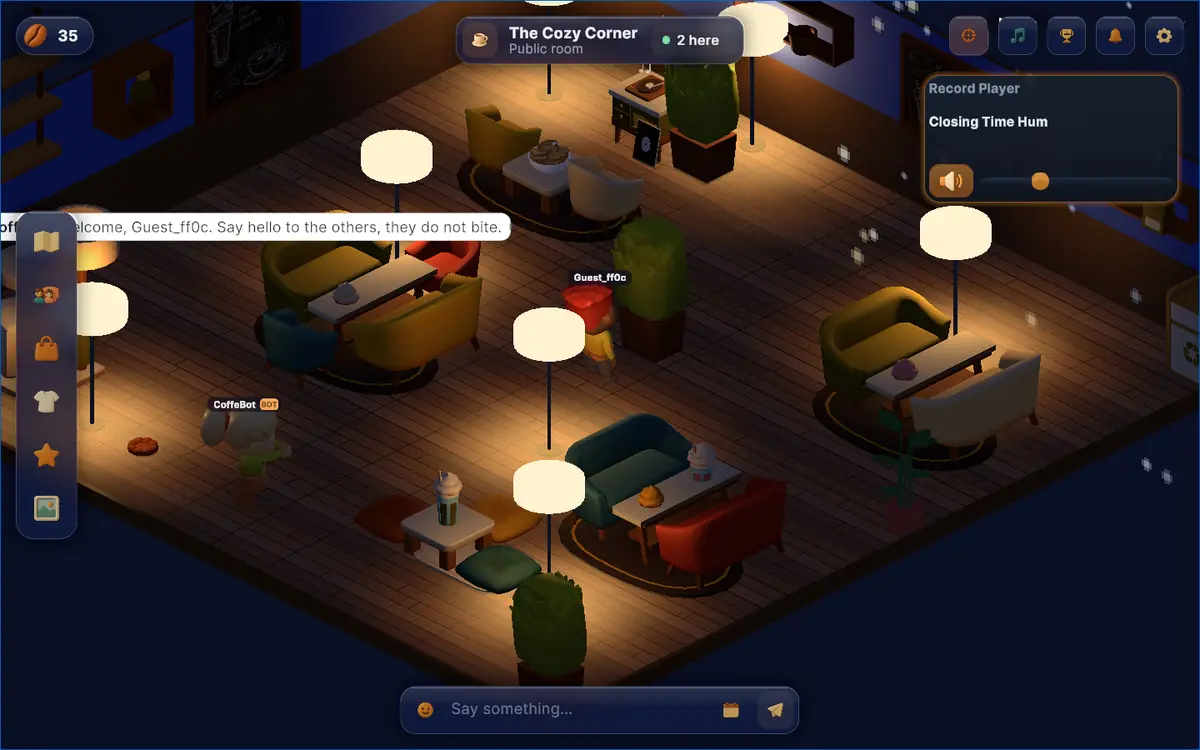
Lofi is short for low fidelity, the opposite of hi-fi. It started as a term for rough home recordings and now usually means lofi hip hop: mellow, mostly instrumental beats with a worn, imperfect sound, often streamed while people work or study.
Lofi has two meanings that people mix up. One is old and describes a way of recording. The other is a style of relaxed instrumental hip hop that became very popular on YouTube. This article covers both, then explains why so many people work with it on in the background.
What lo-fi means
"Lo-fi" is the opposite of "high fidelity" (hi-fi). According to the Wikipedia article on lo-fi music, the term was usually spelled "low-fi" before the 1990s and has been around since at least the 1950s. The Oxford English Dictionary added it in 1976 as sound production of lower quality than hi-fi.
In the 1980s, the word picked up a second meaning. The same article credits William Berger, a DJ at the radio station WFMU, with popularizing it in 1986 through a weekly show called Low-Fi. The show played home recordings made on cheap equipment that people mailed in. From then on, lo-fi described a sound made with limited gear: tape hiss, distortion and background noise left in on purpose or by accident.
How lofi hip hop started
Lofi hip hop, also called chillhop, is a downtempo style that mixes hip hop beats with chill-out music. The Wikipedia article says it grew out of the underground beatmaking scene of the 2000s and became popular on YouTube in the late 2010s. It also names Roland's SP-303 and SP-404 samplers, which each had a dedicated lo-fi effect button.
J Dilla
J Dilla was a producer from Detroit who died in 2006. According to the Wikipedia article on J Dilla, he used an Akai MPC3000 sampler with quantization turned off, which gave his drums a loose, off-kilter timing. The author Dan Charnas, quoted there, described a mix of straight and swung rhythms with a "disorienting rhythmic friction." That unsteady, swung feel is one of the things people now associate with lofi beats.
Nujabes
Nujabes was a Japanese producer who ran the label Hydeout Productions. The Wikipedia article on Nujabes says he contributed to the soundtrack of the 2004 anime Samurai Champloo, including its opening theme "Battlecry," and that his popularity grew after his death in 2010 as lofi hip hop spread online. He is widely called the "godfather of lo-fi hip hop," and his blend of hip hop with jazz samples and soft instrumentation is easy to hear in later lofi.
The Lofi Girl stream
Most people met lofi through one YouTube channel. According to the Wikipedia article on Lofi Girl, the French creator Dimitri Somoguy started the channel ChilledCow on 18 March 2015. It began streaming lofi hip hop on 25 February 2017, presented as relaxing music for people who were working or studying.
Some dates worth knowing, all from the same article:
- February 2020: YouTube briefly removed the channel without explanation. It was reinstated after public protest.
- 18 March 2021: the channel was renamed from ChilledCow to Lofi Girl.
- 10 July 2022: YouTube removed two of the streams after a copyright takedown request from the Malaysian label FMC Music. YouTube later called the claims abusive, and the stream resumed on 12 July 2022.
The channel became the reference point for the genre, and many other 24-hour lofi streams followed.
What lofi sounds like
There are no strict rules, but most lofi hip hop shares a few traits.
- Mostly instrumental, with few or no lyrics.
- Drum patterns with a loose or swung timing, in the line of J Dilla.
- Soft chords, often borrowed from jazz and soul samples.
- Deliberate roughness: hiss, distortion and background noise. Wikipedia notes that lo-fi recordings generally have little or no frequency content above about 10 kHz.
- A relaxed, downtempo feel.
Related labels overlap with it. Chillhop is another name for lofi hip hop, and the jazz and soul influence is why you will also see "lofi jazz" on playlists. Genre labels are loose, and streams mix them freely.
Why people study and work to it
The creators pitched it as music for working and studying, and people took it up for that. The reasons people give are practical: it has few or no lyrics, it keeps a steady mood, and you can leave a stream running for hours without choosing tracks.
The research on whether it makes you perform better is mixed. In a 2023 study in the Journal of Cognition, Alessandra Souza and Luís Barbosa tested about 100 university students on memory, reading and arithmetic tasks in silence, with instrumental music and with songs with lyrics. The instrumental music was four lofi hip hop tracks from the Lofi Girl channel. Songs with lyrics made verbal recall, visual recall and reading comprehension worse. The lofi tracks had no credible effect on most measures, and the authors could not say in which direction. Some participants rated the instrumental music as helpful anyway.
The study has limits: it was run online with mostly young female psychology students, and it used only one instrumental genre. A fair reading is that lyrics are the main thing to avoid for reading and memory work, and that lofi is a safe choice rather than a proven boost. For more on that, see our guide to music for coding.
Lo-fi before the stream: the older meaning
Lofi hip hop is only one use of the word. Since the late 1980s, "lo-fi" has also described home recordings made on cheap equipment, like the mailed-in tapes on William Berger's radio show. The Wikipedia article says that by the end of the 1980s the label was tied to home recording, primitive technology and cheap equipment, and that the 1990s made those ideas central to how the term was understood.
The two meanings have one thing in common: the roughness is accepted, or chosen, as part of the sound. A clean studio recording would remove it. In lofi hip hop, producers often add it back on purpose, which is why samplers like the SP-303 had an effect button for it. If you search for "lofi" and find home recordings with hiss on the tape, that is why.
The same article calls the 2004 album Madvillainy, by MF Doom and Madlib, a shared touchstone for lofi hip hop. It is a good record to try if you want something with vocals and more edge than a study stream.
How to pick a stream
Streams vary more than the thumbnails suggest. A few things to check before you commit to one for an evening:
- Vocals. Some streams slip in tracks with sung or rapped lyrics. If you write code or text while listening, the 2023 study above is a reason to prefer instrumentals.
- Energy. Some loops are sleepy and some have a clear beat. Pick the one that matches the task. Debugging at midnight and drawing a sprite at 7 p.m. may want different tracks.
- Interruptions. Ads, chat popups and a stream going down mid-session all break a work block. A saved playlist or a downloaded album avoids that.
- Volume. Low enough to talk over. If you notice the music, it is too loud.
Where to listen
- The Lofi Girl channel on YouTube. The original 24-hour stream, still running.
- Other YouTube streams. Many channels run similar loops. They differ in mood, so try a few.
- Music services. Most have lofi and chillhop playlists, which let you skip tracks and save favorites.
- Places where you can listen together. Some chat communities and our own lofi cafe play music for everyone in a room, which feels different from listening alone.
- Albums by Nujabes or J Dilla. If you want the roots, start with Nujabes' soundtrack work for Samurai Champloo or J Dilla's 2006 album Donuts.